
Loading...
Failing mortar lets water in every winter. We cut out the old joints, pack in fresh mortar, and seal your brickwork against Bend's freeze-thaw cycles for years to come.
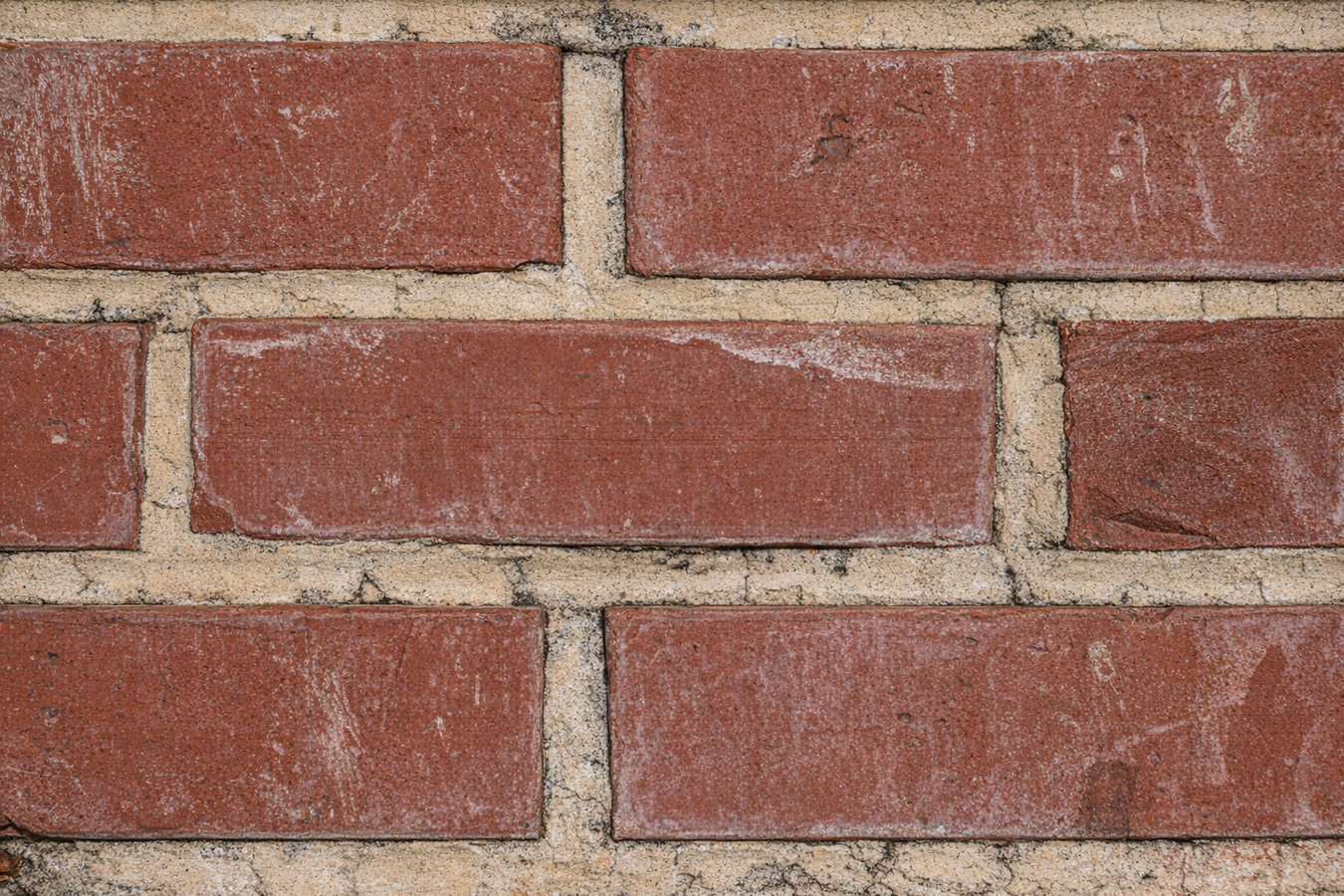
Tuckpointing in Bend, OR removes deteriorated mortar from the joints between bricks or stones and replaces it with fresh material matched to your existing wall. Most jobs take one to five days depending on the area, and the results protect your masonry for decades.
Mortar is softer than brick by design - it absorbs movement and stress so the bricks themselves stay intact. But at roughly 3,600 feet elevation with more than 140 freeze-thaw cycles a year, Bend puts mortar under pressure that accelerates wear far beyond what homeowners in lower-elevation Oregon cities typically see. By the time you notice crumbling joints or white powdery stains on your brick, the damage is already working its way deeper.
If the mortar on your chimney is the concern, our chimney repair service covers full liner and cap assessment alongside joint repointing. For walls where individual bricks are also damaged, we handle that under our brick repair work.
Press your thumb firmly into a joint between bricks. Healthy mortar feels as hard as the brick itself. If the material flakes, crumbles, or feels sandy, the joint has lost its strength and water is already getting an invitation in with every rain.
Stand a few feet back and look at the lines between your bricks. Dark gaps, holes, or sections where mortar has fallen out mean water is already entering the wall. In Bend, those gaps expand every winter as moisture freezes and thaws inside the masonry - what looks small in October can be a costly repair by April.
Chalky white residue on the brick face - called efflorescence - means water is moving through the wall and carrying dissolved salts to the surface. It signals that moisture is entering somewhere, and failing mortar joints are the most common entry point on Bend homes that have gone through several wet winters.
After a Central Oregon winter, inspect your chimney and any exterior brick walls in early spring. Cracks that follow the mortar lines - rather than cutting through the bricks themselves - are a classic sign of freeze-thaw damage. Catching them now means a straightforward repointing job. Leaving them means water reaches the interior and the repair bill grows.
Our tuckpointing work covers the full range of masonry joint repairs in Central Oregon. We grind or chisel out deteriorated mortar to a minimum depth of three-quarters of an inch - never just capping old material - then pack in fresh mortar matched in hardness and color to your existing wall. For older homes near downtown Bend with lime-based mortar from the 1940s through 1970s, matching the mix is especially important because harder modern mortar can damage original brick over time.
Alongside standard joint repointing, we address brick repair where freeze damage has cracked or spalled individual units, and we also offer dedicated brick pointing for new masonry construction that needs precise joint finishing from the start. Every job includes a final walkthrough before we leave.
Best for homeowners with older chimneys whose joints are crumbling from years of Bend freeze-thaw exposure and wildfire smoke residue.
Suited to homes with brick or stone walls where mortar has worn unevenly and water entry points are forming across a larger surface area.
Ideal for brick or stone garden walls and retaining structures where ground moisture and soil pressure have accelerated joint deterioration.
Bend sits at roughly 3,600 feet elevation and sees temperatures that regularly cross the freezing point more than 140 times a year. Every time water trapped in a worn mortar joint freezes overnight, it expands and chips away a little more material. Homes here typically need tuckpointing sooner than homeowners expect - often well before the 25-to-30-year point you might read about for milder Oregon climates like Portland or Eugene. The volcanic soil composition throughout Central Oregon also causes subtle ground movement that can crack mortar joints from below, making it worth assessing whether surface wear alone is the issue.
We serve the full Bend area, including homeowners in Redmond dealing with similar high-desert freeze cycles and older brick structures dating from mid-century development, and customers in Sisters where stone and brick chimneys on older mountain-adjacent homes face particularly harsh winter exposure. The practical repair window across the region runs late spring through early fall, so if you spot joint damage now, early scheduling is the smart move.
We will ask basic questions about what type of structure needs work and roughly how much area is affected. Most homeowners hear back within one business day, and we get you a scheduled estimate visit before you have to commit to anything.
We walk the area with you, check how deep the mortar damage goes, assess whether ground movement is a factor, and give you a written estimate that breaks out exactly what is included - no single-number guesses.
The crew grinds or chisels out old mortar to a consistent depth, vacuums out dust from the joints, then packs in fresh mortar by hand and tools the joints to match your existing profile. No old material is left behind as a base.
Before we leave, we clean mortar smears off the brick faces and walk the job with you. New mortar needs 24 to 48 hours dry before rain or watering, and we will confirm it has enough time to cure fully before Bend's first hard freeze.
Free estimate, written quote, no pressure. We reply within one business day.
(458) 256-4347We use mortar that matches the hardness of your existing brick - not just the color. Mismatched mortar is one of the most common causes of early failure, and it is a particular risk on older Bend homes with softer lime-based joints that were common in mid-century construction.
We never cap old mortar with a thin skim coat. Every joint is cut to at least three-quarters of an inch before fresh mortar goes in. That depth gives the new material enough surface area to bond properly and hold through multiple Central Oregon freeze-thaw seasons.
Oregon requires contractors performing work above a set dollar threshold to hold an active license through the Oregon Construction Contractors Board. You can verify our license status on the CCB website before signing anything. We carry full liability insurance and can provide proof on request.
We do not pack up until you have walked the finished work with us and confirmed you are satisfied. If anything looks off in the days after the job, call us and we come back - no chasing required. That standard applies to every tuckpointing project we take on in Bend.
The Brick Industry Association recommends inspecting mortar joints every few years in climates with significant freeze-thaw exposure - which describes Bend precisely. Our approach to cut depth, mortar matching, and curing follows those industry standards on every job we complete.
When freeze damage has cracked or spalled individual bricks beyond what mortar work alone can fix.
Learn MorePrecise joint finishing for new masonry construction or projects where joint aesthetics are as important as waterproofing.
Learn MoreContact Advanced Bend Concrete & Masonry today and lock in your spot before the season fills up.