Loading...
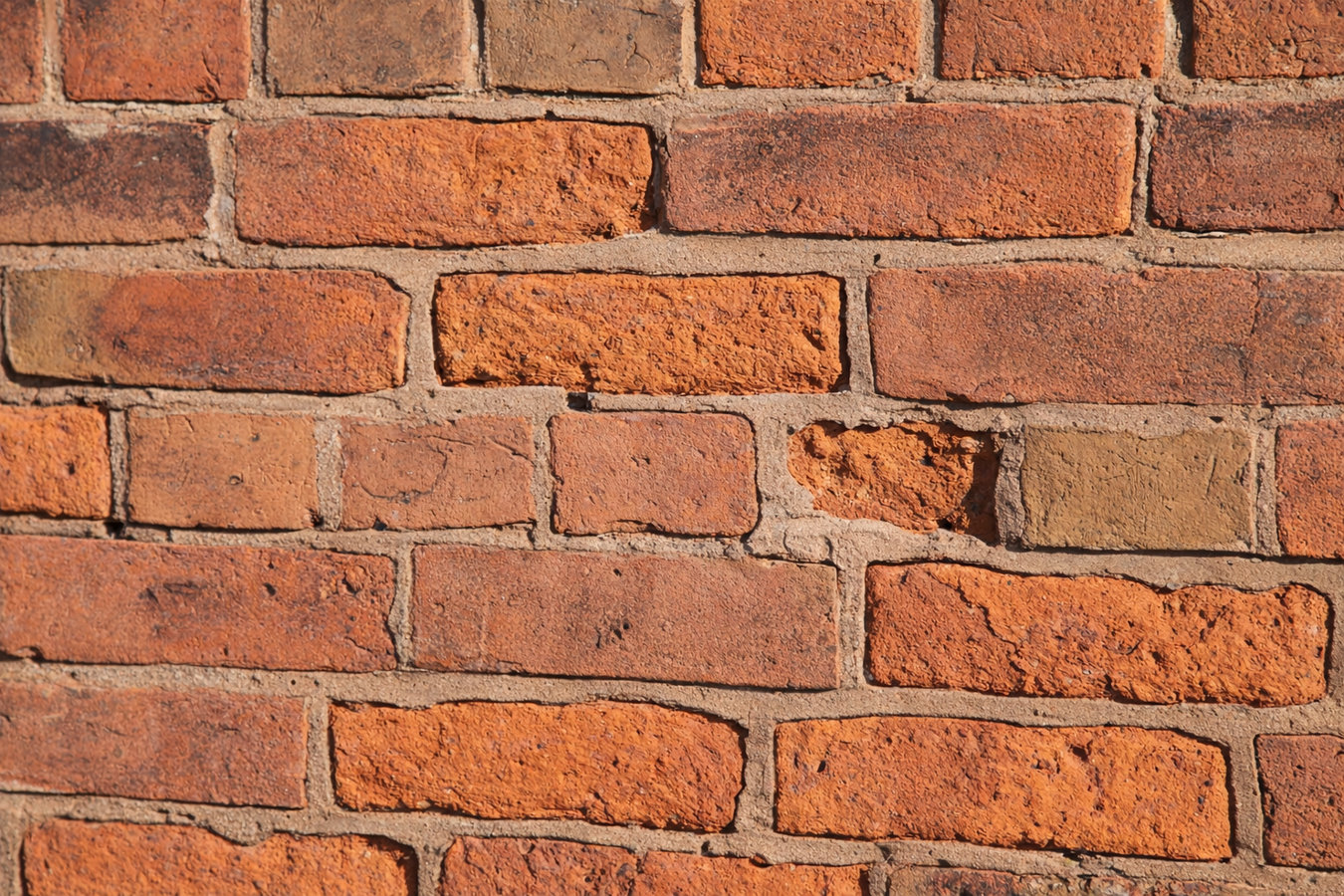
Crumbling mortar joints on your chimney, wall, or brick feature? We repoint brick and stone structures in Bend using mortar matched to your existing brick and built to survive the freeze-thaw cycle.
Brick pointing in Bend, OR is the process of removing old, crumbling mortar from the joints between bricks and replacing it with fresh material - a repair that takes one to two days on most chimneys or small wall sections and restores the weatherproof seal that keeps water out of your home.
The mortar between your bricks is softer than the bricks themselves by design - it is meant to absorb movement and moisture so the bricks do not crack. Over time, Bend's freeze-thaw cycle erodes that material: water gets into small gaps, freezes overnight, expands, and widens the crack a little more each cycle. Most mortar has a lifespan of 25 to 50 years, but at Bend's elevation that timeline is shorter than in milder Oregon climates. The moment you see crumbling, gaps, or white staining on your brick, pointing is the right call - and the sooner the better, because once water is moving through the wall, the damage that follows is far more expensive than the repair you are putting off. If your structure also has broader deterioration beyond the joints, our masonry restoration service can address the full scope of the problem.
One detail that surprises many Bend homeowners: not all mortar is the same. Older homes - especially those built before the 1960s - used softer lime-based mortar. Repointing them with a hard modern cement mix is a common mistake that can crack the original bricks over time. Getting the mortar match right is as important as the physical work of removing and replacing it.
Stand back and look at your chimney, exterior wall, or any brick feature from about ten feet away. If you can see dark gaps where the mortar used to be, or if the material between the bricks looks sandy, crumbly, or recessed more than a quarter inch, the joints need attention. In Bend, this often shows up first on north-facing walls and chimney caps, where moisture sits longest.
A chalky white residue on the face of your bricks - called efflorescence - is a sign that water is moving through the wall and carrying dissolved salts to the surface. It is not dangerous on its own, but it tells you water is getting in somewhere, and failing mortar joints are one of the most common entry points. In Bend's freeze-thaw climate, that water movement accelerates damage quickly once it starts.
After Bend's long freeze season, look up at your chimney in early spring. If you notice fresh cracks, chunks of mortar on the roof or ground, or joints that look visibly worse than the previous fall, the winter freeze-thaw cycle has done its work. Catching this in spring gives you the best chance of scheduling a repair before the short summer booking window fills up.
If you notice water stains near your fireplace, dampness in a basement near a brick foundation, or moisture on the ceiling below a chimney, failing mortar joints are a likely cause. Water does not need a big gap to get in - even a hairline crack is enough for rain and snowmelt to find a path. By the time water shows up indoors, the mortar has usually been failing for a while.
We repoint chimneys, exterior walls, garden walls, and decorative brick features across Bend and Central Oregon. The work always starts with full mortar removal to proper depth - not a surface scratch that will fail within a few years. We assess the existing mortar before mixing anything new, because mortar hardness matching is what determines whether the repair holds for decades or fails prematurely. If the damage runs deeper than the joints and bricks themselves need attention, our foundation repair team can evaluate whether any structural movement is contributing to the cracking - especially relevant for Bend homes where volcanic soil can shift seasonally.
Every pointing job we do accounts for Bend's specific climate challenges: the dry summer heat that can flash-dry mortar before it bonds, and the freeze-thaw cycle that will destroy joints that were not packed fully. The Brick Industry Association publishes detailed technical standards for repointing work that inform our process - more at gobrick.com.
Suits homeowners whose chimney mortar has cracked or eroded after winter - the most common brick pointing job in Bend.
Suits homeowners with a brick exterior wall showing gaps, efflorescence, or mortar loss across a larger surface area.
Suits homeowners with decorative brick walls, borders, or landscape features where the mortar joints have weathered over time.
Suits homeowners with isolated areas of damage - a section of chimney, a few feet of wall - where surrounding brickwork is still in good shape.
Bend sits at roughly 3,600 feet in elevation and regularly sees overnight temperatures drop below freezing from October through April - then climb back above freezing by afternoon. That daily freeze-thaw cycle is one of the most damaging forces mortar faces, and homeowners here should expect to inspect their brick and mortar joints every few years rather than once a decade. What looks like minor weathering in October can become a genuine water problem by April if it goes unaddressed through a full Bend winter. Homeowners in nearby Sisters, OR face the same elevation and exposure, and our crews work across the full region.
Bend's older neighborhoods - particularly the historic core and homes built before the 1960s - present a specific challenge: lime-based mortar that requires a matched replacement rather than a default modern cement blend. Using the wrong mix is a mistake that often does not show up visibly for two or three years, at which point the repair work is more involved than the original pointing would have been. In newer subdivisions and communities like Redmond, OR, the issue is different - modern homes built with cement mortar that has simply reached the end of its service life in Bend's hard climate. Either way, the right approach starts with knowing what you have before mixing anything new.
When you reach out, we ask what type of structure needs work, roughly how large the area is, and how long you have noticed the problem. We will tell you honestly whether we can fit you in this season or whether you are looking at the following spring. We reply within one business day.
We come to your home, look at the affected area up close, and assess the depth of mortar loss, the condition of the bricks, and whether scaffolding will be needed. We check the existing mortar type - especially important in older Bend homes - to make sure the new mix will be compatible. You receive a written estimate breaking down labor and materials.
This is the noisiest part. The crew uses angle grinders or hand chisels to cut out the old mortar to roughly three-quarters of an inch deep - deep enough for a strong bond with the new material. A shallow scratch-out will fail within a few years, so we do not cut corners here.
The crew dampens the joints and packs in fresh mortar, then tools the surface to match the original joint profile. In Bend's dry climate, we mist the work periodically to prevent flash drying. When complete, we clean mortar smears off the brick face, remove equipment, and walk you through curing requirements.
We come out, look at the mortar, and give you a written estimate with no obligation - just a straight answer about what needs to be done and what it costs.
(458) 256-4347Using the wrong mortar mix is the most common and costly mistake in repointing - especially in Bend homes built before the 1960s, where lime-based mortar requires a softer replacement rather than a hard modern cement blend. We test the existing mortar and match the new mix accordingly, so the repair does not crack your bricks over time.
Central Oregon's low humidity and high-desert sun can dry freshly applied mortar before it has fully bonded - a condition that weakens the repair without looking obviously wrong at the time. We mist joints during application and work in shaded sections or cooler parts of the day when needed. That attention to curing is what separates a 25-year repair from a 5-year one.
If your bricks themselves are spalling, cracked through the middle, or bowing outward, repointing alone will not solve the underlying problem. We will tell you that upfront - rather than pointing over damaged brick and collecting payment - and explain whether individual brick replacement or masonry restoration is the right path. Your Oregon CCB-licensed contractor lookup is at oregon.gov/ccb.
Bend's warm-weather window for mortar work is roughly four months. We help you plan ahead - flagging the right time to schedule, letting you know what can wait and what cannot, and making sure your project does not get squeezed out by the season. The Brick Industry Association at gobrick.com maintains standards that inform our installation approach.
The common thread across all of this is doing the job in a way that respects how Bend's climate actually behaves - not applying a standard playbook from a milder market. That attention to local conditions is what makes the difference between a pointing repair you will not think about for 25 years and one that sends you back to the phone in three.
Cracking mortar joints sometimes signal foundation movement rather than simple weathering - we assess and address both.
Learn MoreWhen pointing alone is not enough and brick or stone structures need broader rehabilitation, masonry restoration covers the full scope.
Learn MoreBend's masonry season is short and the best crews book fast - call now or request a free estimate online before your repair window closes for the season.