Loading...
Advanced Bend Concrete & Masonry brings masonry contractor services to Bend, OR - including foundation repair, tuckpointing, and chimney repair - and has answered calls from Bend homeowners since 2020, responding within one business day.
Advanced Bend Concrete & Masonry brings masonry contractor services to Bend, OR - including foundation repair, tuckpointing, and chimney repair - and has answered calls from Bend homeowners since 2020, responding within one business day.
Bend's volcanic pumice soil settles unevenly, and freeze-thaw cycles crack foundation concrete every winter. We diagnose and repair foundation problems built for Central Oregon conditions - piers, crack injection, and drainage corrections - so the damage stops compounding. Learn about foundation repair in Bend.
Bend's dry winters mean fireplaces get heavy use, and mortar joints on chimneys in older neighborhoods take a beating from 140-plus freeze-thaw cycles per year. Repointing, crown repair, and flashing seals protect the whole chimney system before a small problem becomes a costly rebuild.
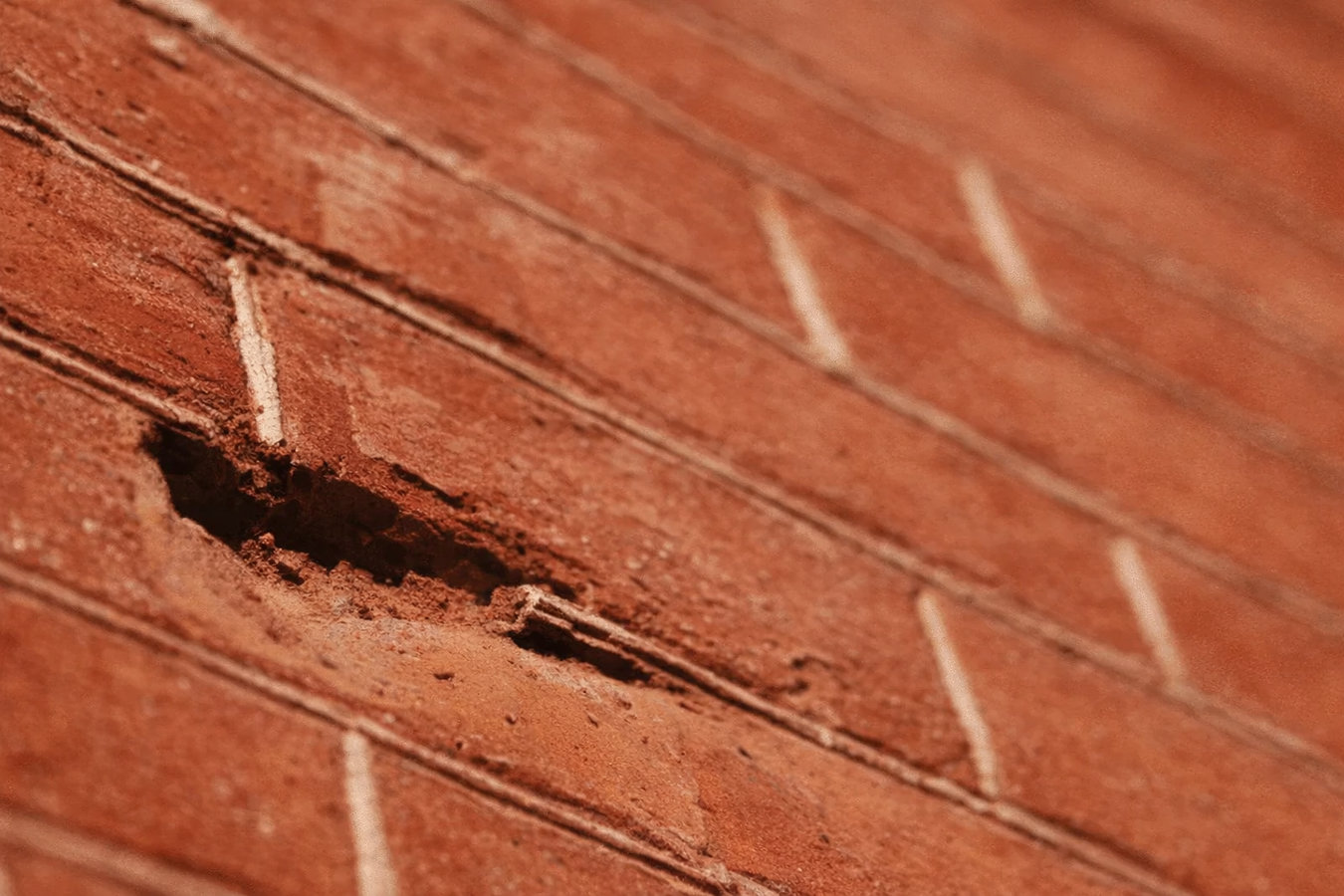
Brick chimneys and garden walls in Bend's older neighborhoods near downtown often have original lime-based mortar that has weathered past its useful life. Tuckpointing replaces failing mortar joints with a matched mix, stopping water from working its way inside before the next hard freeze.
Sloped lots on Bend's west side and near the Deschutes River corridor need retaining walls that account for frost depth and pumice soil drainage. We build block, stone, and concrete walls with proper footings that won't heave out of alignment after a Central Oregon winter.
Homes built during Bend's early 2000s boom often have concrete driveways that have cracked and shifted from frost heave. Paver driveways handle freeze-thaw movement better than poured concrete, and they give Bend properties a clean, low-maintenance appearance that holds up under heavy use.
Bend homeowners spend real time outdoors from May through October, and a masonry outdoor kitchen stands up to the high-desert UV, dry heat, and hard freeze cycles that damage prefab metal units. We build outdoor kitchens with freeze-thaw rated mortar and proper footings for the Central Oregon climate.
Bend's position at 3,600 feet on the eastern side of the Cascades creates conditions that are genuinely unusual for Oregon. The city sees over 140 freeze-thaw cycles per year, hot dry summers with intense UV, and volcanic pumice soil that drains quickly but compresses unevenly. Most masonry fails here for one of three reasons: water getting into cracks that freeze and widen every winter, soil settling beneath footings that weren't sized for pumice, or mortar that wasn't matched to the hardness of the existing brick. A contractor who hasn't worked regularly in Central Oregon may not account for any of these factors.
The housing stock adds another layer. Bend grew fast during two distinct waves - the 1940s-to-1960s era that produced the craftsman and ranch homes near Old Bend and Drake Park, and the rapid expansion of the 1990s and 2000s that filled the west side and southeast with newer subdivisions. The older homes often have original lime-based mortar that needs careful matching. The newer homes built on previously undeveloped high desert lots are hitting the 20-to-25-year mark when slab foundations, concrete driveways, and exterior masonry first start showing real wear. Both eras create steady work for a masonry contractor who knows what to look for and why it matters.
Our crew works throughout Bend regularly, pulling permits from the City of Bend Building Safety Division for structural masonry projects and coordinating inspections through Deschutes County. We work on homes across the full range of Bend's neighborhoods - from the older craftsman houses near Drake Park and Mirror Pond to the newer builds in NorthWest Crossing and the subdivisions east of the Deschutes River. We know which neighborhoods sit on graded fill that can shift, which areas have the older lime-based mortar that needs careful matching, and where wildfire hazard zone rules apply to material choices.
Bend is a city where the outdoor environment matters to daily life - Mount Bachelor to the southwest, the Deschutes River running through the middle of town, Drake Park as a year-round gathering place, and trails threading through every neighborhood. Homeowners here spend real time outside, which means driveways, walkways, retaining walls, and outdoor living spaces get actual use and need to hold up to it. We also serve the surrounding communities northwest of the city, including Tumalo, OR, where the same volcanic soil and frost conditions apply and where we work regularly.
When you reach out - by phone or through our contact form - we respond within one business day. We ask a few quick questions about what you are seeing and schedule a time to come look at the property in person.
We come to the property and assess the actual scope of work before quoting anything. We explain what we find and why it matters - including whether a permit is required for your project through the City of Bend.
You receive a written estimate that itemizes the work, materials, and total cost. Nothing starts until you have signed off on what is included. We handle permit applications when required.
We complete the work within the agreed schedule, keep the site clean each day, and do a walkthrough with you before leaving. We confirm curing requirements - especially important in Bend's climate before a hard freeze.
We work throughout Bend, OR and respond to every inquiry within one business day. Tell us what you are seeing and we will come take a look - no cost, no pressure.
(458) 256-4347Bend is the largest city in Central Oregon and one of the fastest-growing cities in the state, expanding from roughly 52,000 residents in 2000 to over 100,000 today. The city sits at 3,600 feet on the high desert plateau east of the Cascades, with the Deschutes River running through its center and Mount Bachelor visible from much of town. Bend's neighborhoods span a wide range of housing types: older craftsman and ranch homes near downtown and Drake Park, mid-century neighborhoods in east Bend, and the newer planned subdivisions of NorthWest Crossing, Shevlin Meadows, and the southeast corridor built during the early 2000s growth wave. Downtown Bend and the Old Bend Historic District retain a compact, walkable character, while the edges of the city blend into rural Deschutes County.
Most of Bend's housing stock is owner-occupied single-family homes, and the city has a high median home value relative to Oregon averages - which means homeowners here tend to invest in maintenance and improvement. The high desert climate and outdoor-focused lifestyle mean exterior spaces like driveways, walkways, patios, and retaining walls get constant use. Bend is also close to neighboring communities that share the same masonry challenges - including Tumalo, OR to the northwest, and the communities of Sisters, OR and Redmond to the north, all of which sit on the same volcanic high desert landscape with similar freeze-thaw conditions.
Install block foundations built to carry your structure safely.
Learn MoreBend winters do not wait, and neither should small masonry problems. Reach out now and get your project on the schedule before the season fills.