Loading...
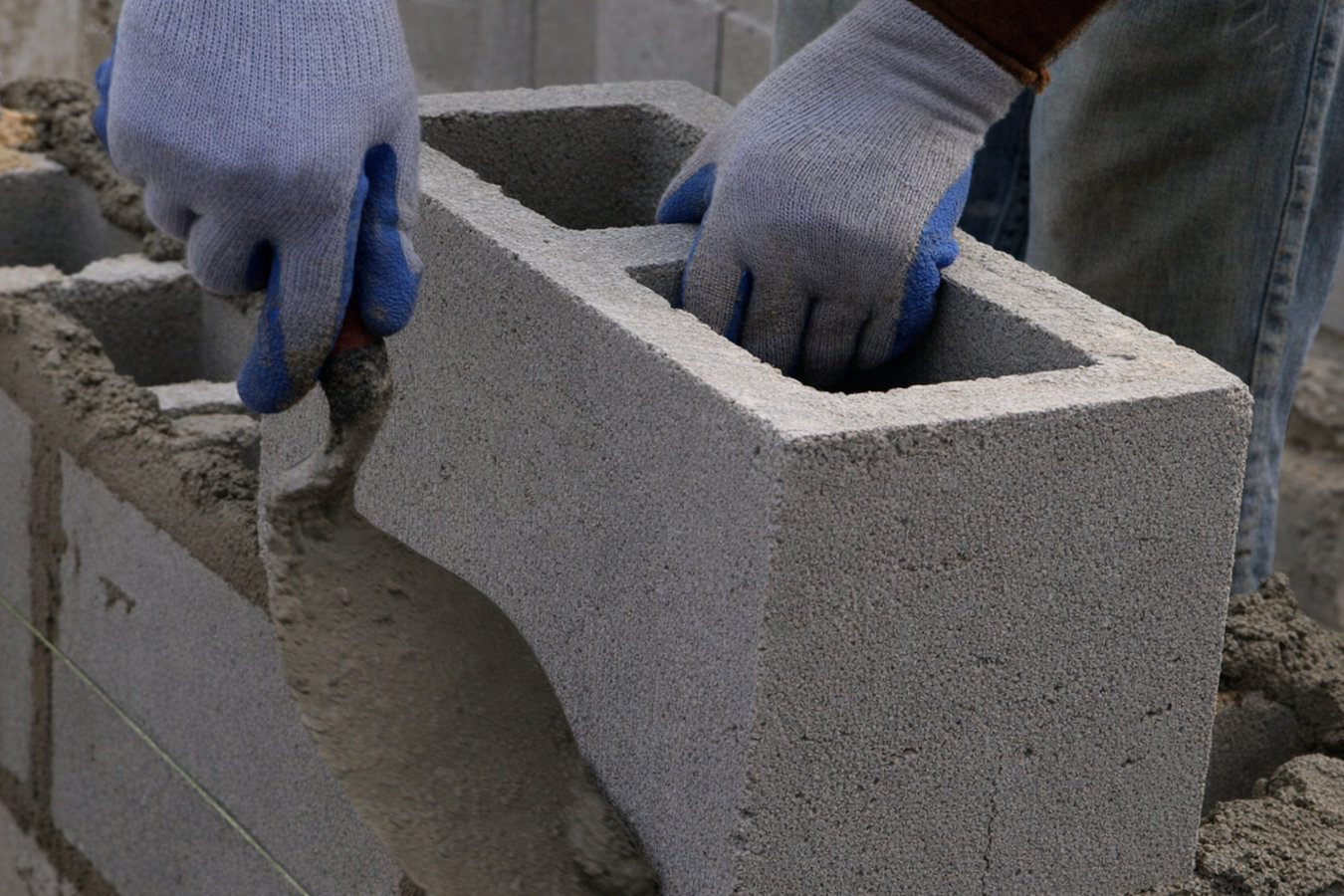
Cracked or bowing foundation walls do not fix themselves. We build and replace block foundations in Bend with proper frost-depth footings and seismic reinforcement.
Foundation block wall installation in Bend means building or replacing the concrete block wall that sits below your home and keeps soil and moisture out. Most residential jobs - a crawl space wall for an addition or a replacement section - run three to seven working days of construction once permits are approved and materials are on site.
Homeowners in Bend usually reach this point in one of two situations: they are building an addition or ADU and need a new foundation, or they have spotted cracks, bowing, or moisture in an existing block wall. Either way, the work starts with getting below the frost line, which matters more in Central Oregon than almost anywhere else in the state. If you are dealing with a damaged wall rather than a new build, our foundation repair service covers assessment and targeted repair as a starting point before a full rebuild is committed to.
Block walls that are reinforced with steel and properly waterproofed can last the life of the house. Block walls that were not are the ones you see cracking and bowing in older Bend neighborhoods. The difference is what happens during construction - depth, steel, and waterproofing - not just the materials.
Cracks that angle outward from the corners of your foundation wall - especially if they are wider than a pencil line - signal shifting or settling. In Bend this often happens when a foundation was not built deep enough below the frost line, and years of freeze-thaw cycles have slowly moved the footing. A crack you can fit a quarter into is worth having a mason look at right away.
Stand back and look at your foundation wall from the side. If it curves inward at the middle rather than standing straight up and down, soil pressure from outside is winning the battle against the wall. This is more common in older Bend homes where the original wall was not reinforced with steel, and it gets worse over time.
White, powdery stains on the inside face of a block wall are a sign that water is moving through the blocks and leaving mineral deposits behind. In Bend this often happens during spring snowmelt when the soil around the foundation becomes saturated. Ongoing moisture weakens the mortar joints over time and can lead to structural problems if left alone.
Run your hand along the joints between the blocks. If the mortar feels soft, crumbles when you press it, or is visibly missing in spots, the wall has lost some of its structural integrity. Bend's temperature swings - hot dry summers and hard winters - accelerate mortar deterioration, especially in walls that are 30 or more years old.
We handle the full range of residential foundation block wall work - from new construction footings and full perimeter foundations to single-wall replacements and crawl space repairs. Every job starts with a site visit so we can assess Bend's volcanic soil conditions before we price anything. If the wall is a crawl space boundary for a new addition, we coordinate the permit and inspection schedule so framing can follow without delays. If you are considering a larger above-grade block structure at the same time, our concrete block walls service covers that work as well.
For accessory dwelling units and detached structures on Bend properties, a proper foundation wall is the starting point for everything that follows. We build those foundations with the steel reinforcement and waterproofing that Central Oregon conditions require. If you have an older home with a block foundation that has shifted or developed cracks, a targeted foundation repair evaluation will tell you whether a repair or a section rebuild makes more sense before you commit to a larger budget.
Suits homes adding square footage or replacing deteriorated crawl space walls.
Suits homeowners building an attached addition or detached accessory dwelling unit.
Suits any existing block wall with bowing, cracking, or failed mortar joints that require removal and rebuild.
Suits new detached structures - garages, workshops, or outbuildings - requiring a complete block foundation.
Bend sits at roughly 3,600 feet elevation on a volcanic plateau where the ground can freeze to 18 to 24 inches in a hard winter. A foundation footing that does not go below that depth will shift as the soil expands and contracts each year - sometimes visibly within one or two winters. On top of that, the volcanic basalt and pumice underneath Bend's surface require specialized excavation equipment that not every contractor brings to a site. Getting a quote that does not account for rocky conditions is how homeowners end up with change orders after the work has already started.
Central Oregon also sits in a seismically active region, which means foundation walls here require more steel reinforcement inside the block cores than you would see in lower-risk areas. The City of Bend Building Division and Deschutes County both require permits and staged inspections for foundation work, so knowing those processes matters as much as knowing the masonry. We serve homeowners across Bend including areas like Powell Butte and the communities in Tumalo where older homes on larger lots often have foundations that were built before current frost-depth requirements were enforced.
Call or message us and we will ask a few basic questions - what you are building or repairing, roughly where on your property, and whether you have pulled a permit. We reply within one business day and schedule a site visit before giving you a written estimate, because rocky volcanic soil and site access can change the price significantly.
We check soil conditions, measure the footprint, and confirm what the city or county requires. We handle the permit application on your behalf - you sign as property owner. Permit approval typically takes one to three weeks during busy season, which sets the real start date.
The crew digs below Bend's frost line - typically 18 to 24 inches or more depending on the project. A concrete footing is poured and allowed to set before block-laying begins. A city inspector checks the footing before we proceed to the wall itself.
Blocks go up course by course with mortar between layers and steel rods running through the hollow cores. Once the wall reaches full height the cores are filled with concrete, and the exterior face is coated with a waterproof material before backfill. This phase is where daily weather conditions matter most.
We assess your site before we quote - no surprises after we hit rock. Reply within one business day.
(458) 256-4347Bend's volcanic basalt hides just below the surface on many lots. We assess your site before we quote, so the number we give you accounts for what is actually in the ground - not a best-case assumption. No change orders after the excavator hits rock.
Every footing we pour goes deep enough to stay below the 18-to-24-inch frost depth that Bend's hard winters require. Walls built to that depth do not shift, crack, or surprise you with repair bills after the first hard freeze.
We pull permits through the City of Bend Building Division and Deschutes County every week. We know what inspectors look for, how to schedule without stalling the crew, and how to keep your project moving. You do not have to learn a new system.
Central Oregon sits in a seismically active region. We include the steel reinforcement required by Oregon code as part of the base job - not an upgrade. Verify contractor compliance at the Oregon CCB.
Every one of these proof points comes back to the same thing: we build foundations that do not fail in Central Oregon conditions because we understand what those conditions actually are. That local knowledge is the difference between a foundation that lasts and one that is cracking before the second winter.
Permanent masonry outdoor kitchens built on reinforced footings to handle Bend winters.
Learn MoreRepair cracked, bowing, or water-damaged existing foundation walls before problems worsen.
Learn MoreBend's construction season fills fast - lock in your start date now and get your project done before the first fall frost.