Loading...
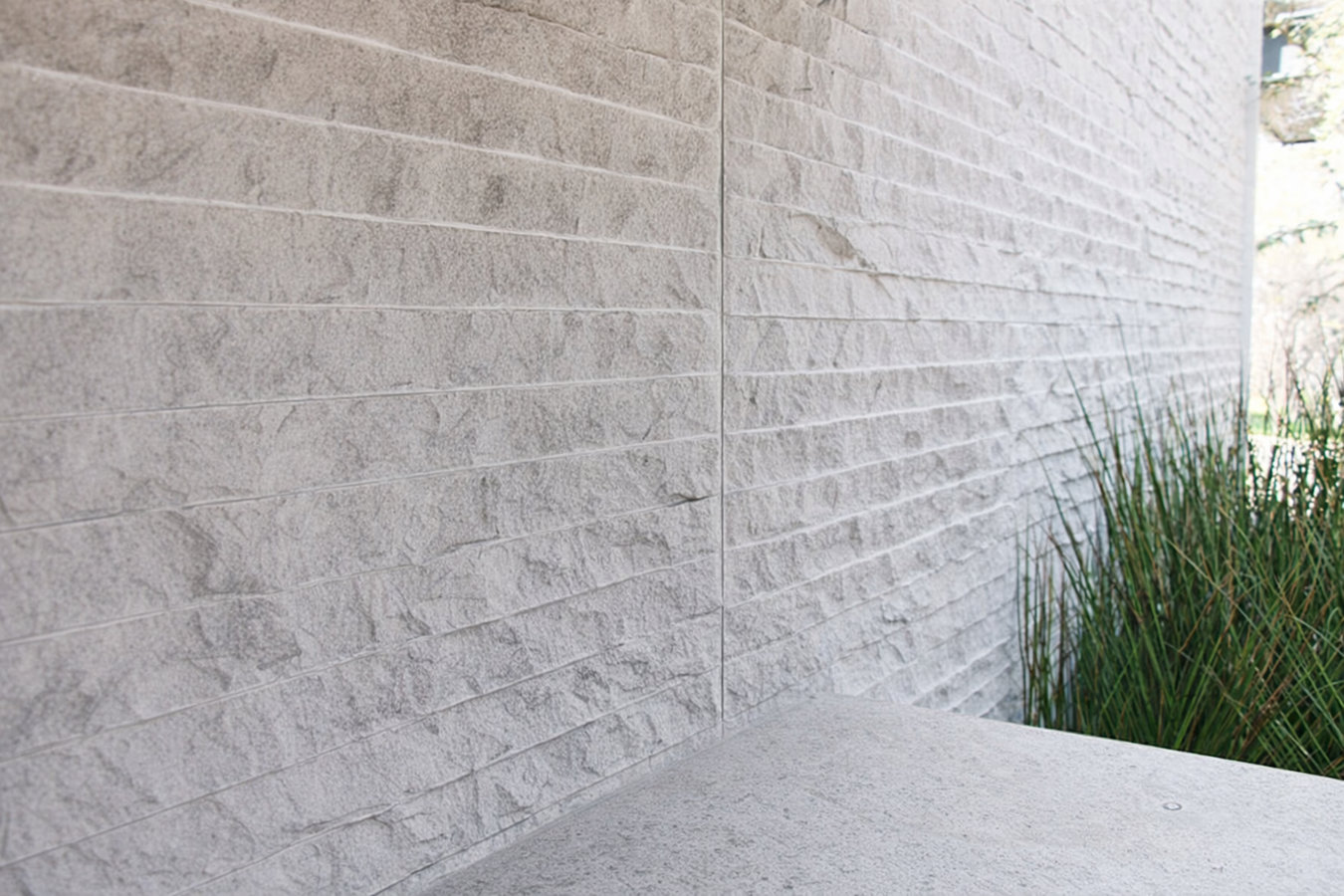
Eroding slopes, leaning retaining walls, or a yard too steep to use - we build concrete block walls in Bend with the deep footings and drainage that hold up through every Central Oregon winter.
Concrete block walls in Bend are built from individual blocks stacked in overlapping rows with mortar - anchored by a poured concrete footing set below the frost line - and most straightforward residential walls are complete within two to four days once the footing has cured.
The blocks you see are only part of the picture. What keeps a wall straight and standing through Bend's freeze-thaw winters is underground: the depth of the footing, the drainage behind the wall, and how well the crew accounts for the volcanic pumice and basalt common across the Bend area. Many homeowners who need a retaining wall also explore retaining wall construction options to see which approach fits their site and budget best.
Block walls serve a range of purposes here - from holding back eroding slopes on Bend's hillside lots to creating flat, usable yard space for patios and garden beds. Taller retaining walls over four feet require a City of Bend building permit, and a reputable contractor will handle that process from start to finish.
Soil washing down a hillside after heavy rain or spring snowmelt is a clear sign the ground needs to be held in place. Bend gets most of its precipitation in winter and early spring, and sloped lots without proper support can lose significant soil over just a few seasons. A retaining wall stops that erosion and stabilizes the slope.
A wall that is no longer straight - or one where you can see cracks through the blocks or mortar - means something is wrong underneath. In Bend's climate, this usually points to a footing that was not deep enough for the frost depth, or drainage that was never properly installed. A leaning wall will get worse over time, not better.
Many Bend homeowners with hillside lots want a flat, usable space for a patio, raised garden beds, or a safe area for kids to play. A concrete block retaining wall makes that possible by holding the upper slope while the lower area is graded flat.
Gaps, crumbling, or missing mortar between blocks are a signal that water is getting in. In Bend winters, that water freezes, expands, and makes the damage worse with every cold snap. Catching this early - before the blocks themselves crack or shift - is much less expensive than rebuilding a section of wall.
We build concrete block walls for retaining slopes, defining property boundaries, creating garden borders, and structural applications. Every project includes a properly sized footing below Bend's frost line and, where needed, gravel backfill and drainage pipe to prevent water pressure from building behind the wall. For projects where the wall connects to a home's foundation or needs to integrate with a larger structure, we also handle foundation block wall installation that ties into the building's structure correctly.
Block wall work in Bend almost always involves dealing with the area's rocky volcanic soil - pumice and basalt that require more time and sometimes specialized equipment to excavate. We account for this in our estimates upfront so the final bill reflects the actual site conditions, not a best-case scenario. For homeowners on sloped lots who want something beyond a standard block retaining wall, we can discuss the range of retaining wall construction approaches that might suit their yard and budget.
Suits homeowners with eroding slopes or hillside lots who need to hold back soil, prevent erosion, and create usable flat space in their yard.
Suits homeowners who want a permanent, durable fence line that defines their property and withstands years of freeze-thaw cycles.
Suits homeowners who want raised planting beds or tiered garden areas separated by low block walls that are easy to maintain.
Suits homeowners with existing block walls showing leaning, cracking, or deteriorating mortar joints who want the wall stabilized before damage spreads.
Bend sits at roughly 3,600 feet and sees ground temperatures drop well below freezing most winters. Frost depth in this area runs 18 to 24 inches, which means a block wall footing needs to be set deep enough that the ground freeze does not lift and shift it. Neighborhoods like Awbrey Butte and Northwest Crossing - where sloped terrain is common - generate a steady demand for retaining walls, and the combination of steep grades and volcanic soil makes the foundation work here genuinely different from what a contractor would encounter in Portland or Salem. Homeowners in Terrebonne and across Central Oregon face similar conditions, and the same principles apply: deep footings, proper drainage, and materials designed for cold-climate performance.
Drainage is the other piece that gets overlooked on Bend block wall projects. Pumice soil drains quickly, but when snowmelt and spring rain arrive at the same time, water can saturate the ground behind a wall faster than expected. A wall without proper gravel backfill and a drain pipe at the base will accumulate pressure behind it - and in Bend, that pressure freezes. Homeowners in Alfalfa and other rural areas outside Bend proper face the same drainage challenges on larger lots with more varied terrain. Getting the drainage right from the start is far less expensive than repairing a wall that has pushed forward over two or three winters.
The Portland Cement Association provides guidance on concrete masonry design and cold-weather construction practices relevant to high-altitude climates like Bend's.
You reach out, we schedule a free visit to look at the site - usually within one business day. The estimate takes 20 to 45 minutes. We check the slope, the soil, and the access before giving you a real number. Ask anything you want while we are there.
For most retaining walls taller than four feet, we apply for a City of Bend building permit before work begins. This typically takes one to two weeks to process. We handle the paperwork - you should not need to navigate city forms yourself.
We dig the trench and pour the concrete footing below Bend's frost line - typically 18 to 24 inches. We let the footing cure before stacking blocks on top. This step is not glamorous, but it is what keeps the wall straight for decades.
We stack blocks row by row, install gravel backfill and drainage pipe behind retaining walls as we go, and clean up the site when done. If a permit was pulled, the city will inspect before closeout. We do a final walkthrough with you so you can ask questions before we leave.
Written estimates. Permit handled. We reply within one business day.
(458) 256-4347We set footings at the depth Bend's climate requires - 18 to 24 inches below grade in most cases. This is not something we negotiate on to lower a bid. A shallow footing in this climate will start to shift within a few years, and we have seen the repair bills those walls generate.
Gravel backfill and drainage pipe are part of every retaining wall we build - not an upsell after you have already committed to a price. We discuss the drainage approach during the estimate visit so you understand what is going in behind the wall and why it matters.
We pull permits for projects that require them and build the inspection into the project schedule from the start. That paper trail protects you when you sell the home and confirms the wall was inspected by the city and meets code.
Pumice and basalt excavation takes longer and sometimes requires different equipment than typical soil work. We account for your site's actual conditions in the written estimate - not a generic square-footage formula that falls apart once digging starts.
The details that most contractors skip - the footing depth, the drainage, the permit - are exactly what we lead with on every Bend block wall project. Those are the things that determine whether the wall you pay for today is still standing straight in ten years.
You can confirm any contractor's Oregon CCB license status and complaint history for free at the Oregon Construction Contractors Board.
Block wall work tied to a home's foundation perimeter - structural, permitted, and built to Bend's frost depth requirements.
Learn MoreEngineered retaining walls for Bend's sloped lots using block, stone, and other materials matched to the site's load and drainage needs.
Learn MoreBend's masonry season is short and schedules fill fast - reach out today and we will get your estimate on the calendar before summer demand peaks.